Marie Curie postdoctoral fellowship for Salvatore Romano to join the Biocatalysis group
The Biocatalysis group led by associate professor Dr Francesco Mutti at the Van ‘t Hoff Institute for Molecular Sciences has been awarded a €220,000 post-doctoral fellowship grant as part of the EU Marie Skłodowska-Curie actions. It will enable Dr Salvatore Romano to work for two years on a sustainable bio-organocatalytic cascade for amide synthesis from carbonyl compounds. Designed with green chemistry principles, the method will provide an efficient, scalable solution for pharmaceutical manufacturing of high-value compounds, including chiral amides.
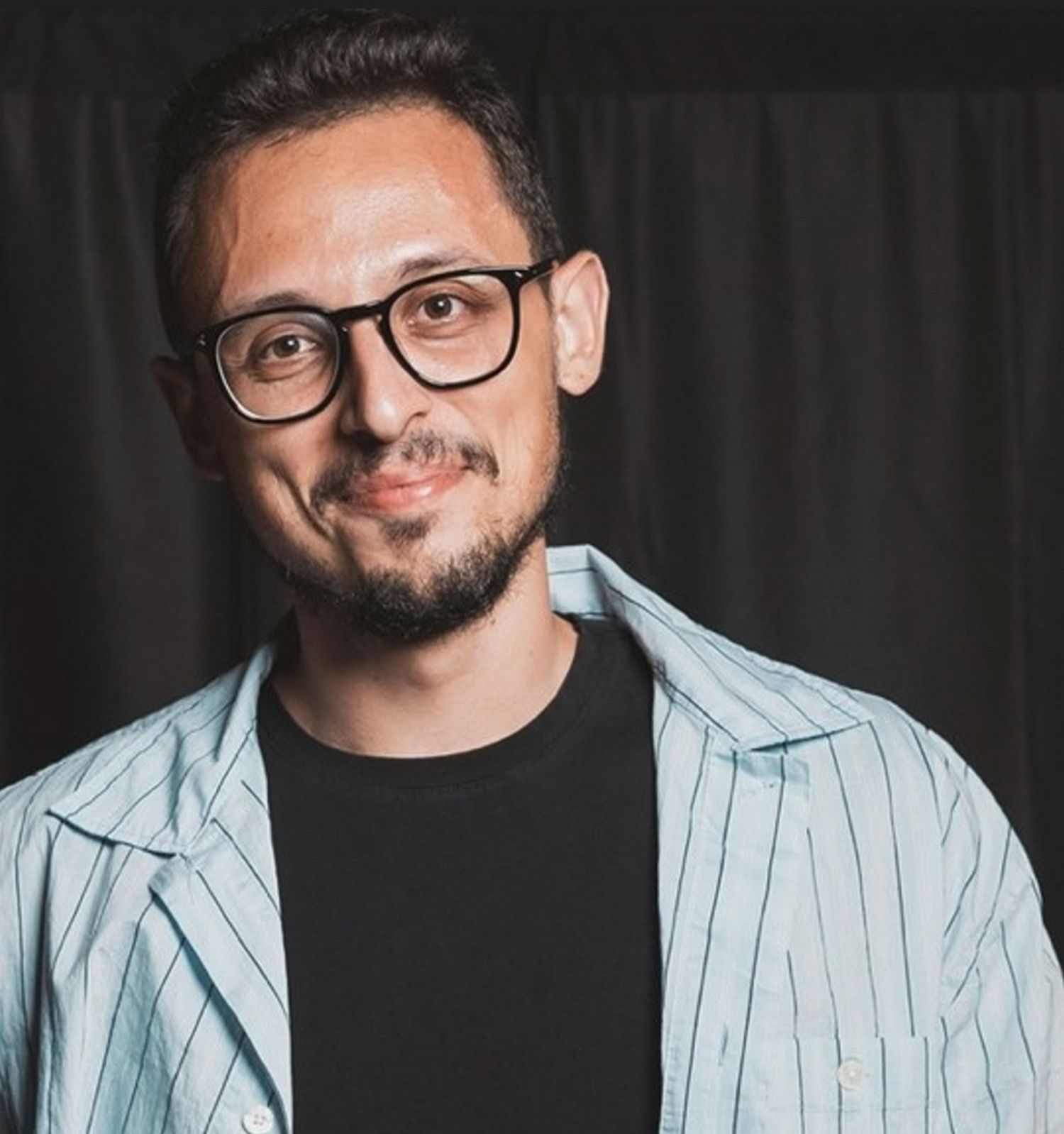
In his research, Salvatore Romano will integrate biocatalysis and organocatalysis, combining the use of ω-transaminase enzymes for chiral amine production with a green amidation method using choline chloride. Enhanced by microwave heating, the proposed one-pot process will minimize the number of synthesis steps and reduce waste and energy use.
It will also enable the direct access of chiral amides, which is a current challenge in pharmaceutical synthesis. The aim is to provide the pharmaceutical and fine chemical industries with a scalable, eco-friendly solution for producing these high-value compounds in a sustainable and efficient manner.
Romano is thrilled to begin his journey in Amsterdam and feels honoured to receive the Marie Curie fellowship. "This is an incredible opportunity, and I am deeply grateful to Dr Mutti and the University of Amsterdam for their support and trust. I look forward to contributing to innovative research and making the most of this exciting challenge."
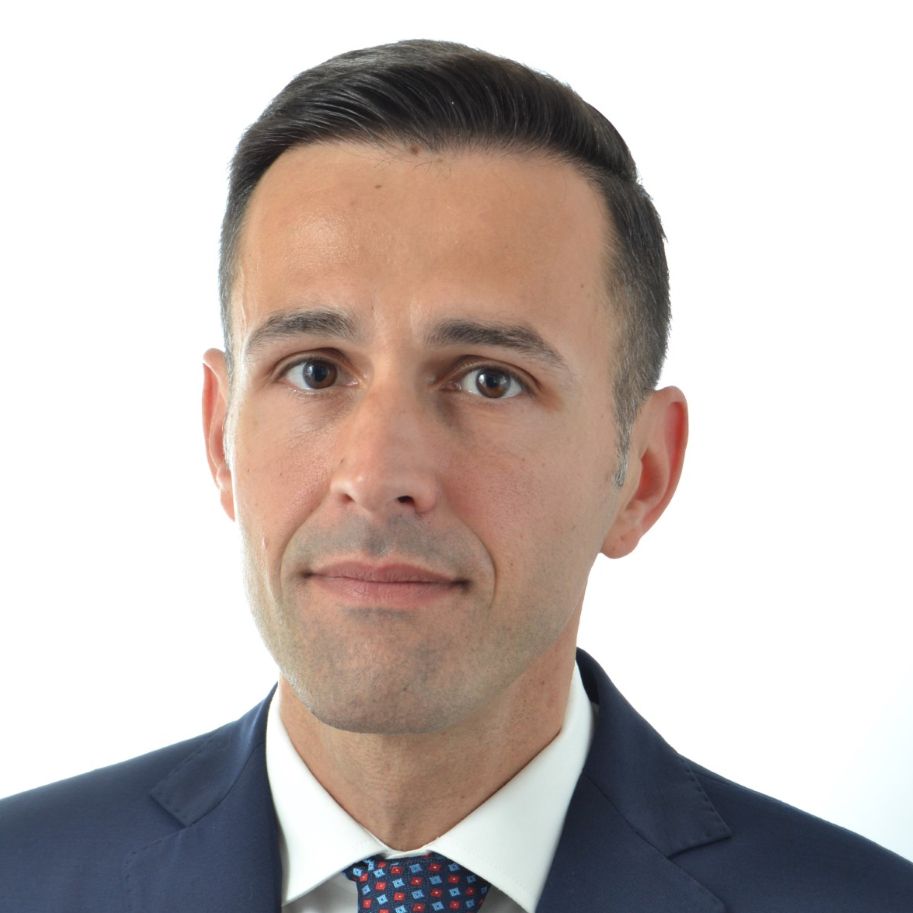
Bio-organocatalytic innovation for amides
The proposed catalytic technology will start with carbonyl compounds and amines as precursors to amides, crucial building blocks for pharmaceutical applications. By developing a novel bio-organocatalytic cascade, Romano aims to combine ω-transaminases for chiral amine synthesis with a green amidation process using choline chloride.
This method adheres to green chemistry principles and employs mild conditions, providing a sustainable and scalable solution for industrial applications. The integration of biocatalysis and organocatalysis offers a one-pot process to directly access chiral amides, addressing current challenges in pharmaceutical synthesis.