PLASTICE: Closing the plastics loop with novel conversion routes
A consortium involving the Catalysis Engineering group led by Associate Professor Dr. Shiju N. Raveendran at the Van ‘t Hoff Institute for Molecular Sciences has been awarded funding from the European Commission for their PLASTICE project. It aims to establish circularity in plastics through the development of innovative and sustainable conversion routes for post-consumer plastic and mixed textile waste. Raveendran will receive over 1,5 million euros of a total project budget of almost 20 million euros.
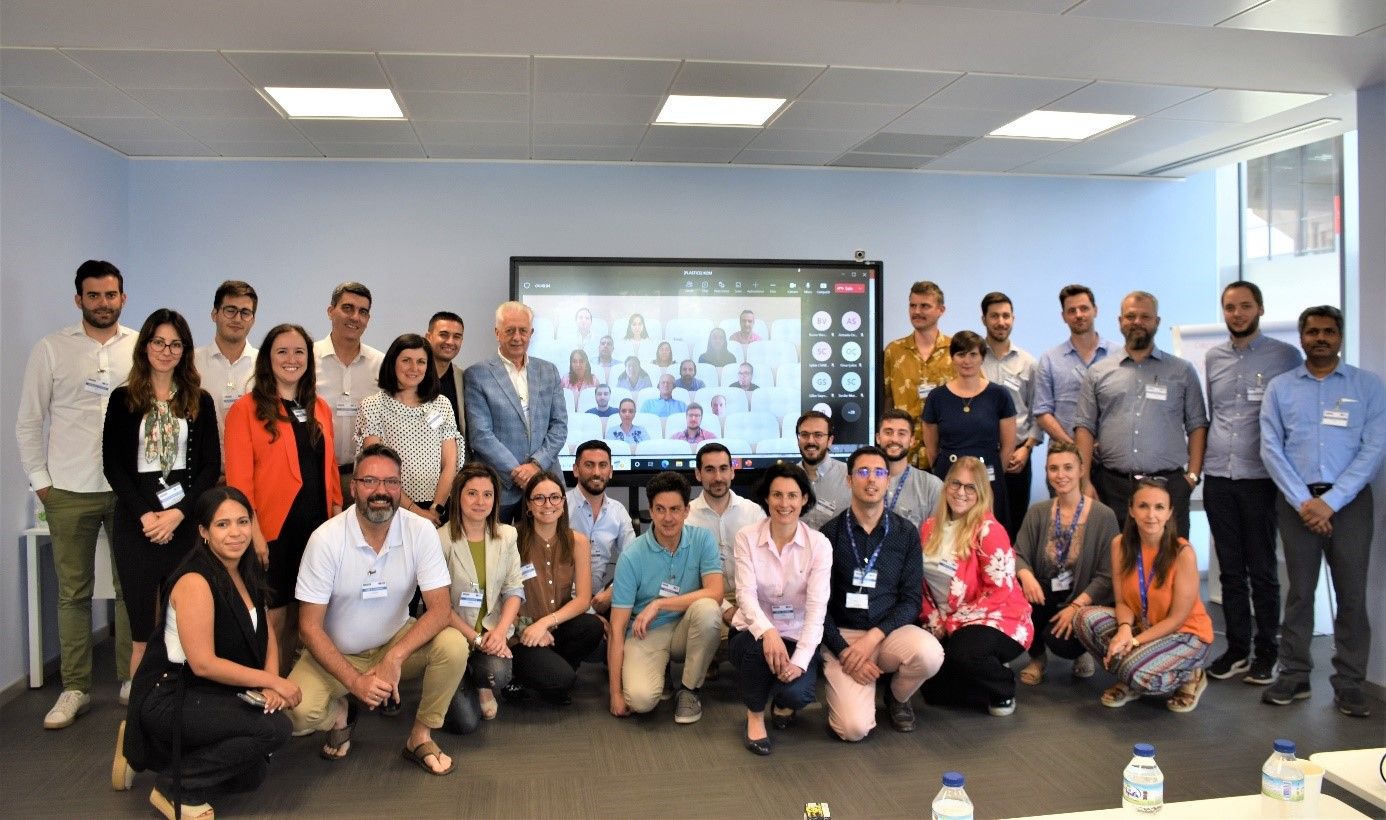
The 4-year PLASTICE project aims to develop three different routes for the valorisation of different types of post-consumer plastic and textile wastes. These will be developed and implemented in tangible demonstration sites, yielding sustainable feedstock for the production of new plastics and other high added value products of industrial interest. The PLASTICE consortium, coordinated by the CIRCE, the technology research centre working on sustainable innovative solutions (Zaragoza, Spain), involves 25 partners from industry, academia and research & technology institutes in Austria, Belgium, France, Greece, Italy, Turkey, the Netherlands and Spain.
Raveendran will lead the development of a process for converting plastic waste using so-called hydrothermal liquefaction (HTL). This will include development of novel nano structured solid catalysts that can enhance the contact with the plastic feedstock. The produced HTL-oil will be rich in dedicated monomers that can be used to produce virgin plastic materials. The aim is to bring the process towards pilot plant scale in cooperation with the Spanish waste management company COGERSA. The produced high quality synthetic oil will be further upgraded by Total Energies up to a suitable feedstock for the production of olefins.